July Seasonal Produce Guide


If you’re wondering what’s in season in July, this July Seasonal Produce Guide has a complete list of seasonal fruits and vegetables that are readily available this month. You’ll also find plenty of recipes to utilize this vibrant collection of summer produce!

Summer has officially arrived, and the markets are proof of that — they’re brimming with all the seasonal produce that the season has to offer!
This July Seasonal Produce Guide will provide you with a list of fruits and vegetables at their peak this month, which includes rhubarb, sweet berries, stone fruit, tomatoes, corn and summer squash. Ahh summer!
You’ll also find a wide variety of recipes below to provide you with the inspiration you need to use all the delicious summer vegetables and fruits.
Why eat in-season produce? Eating seasonally has many benefits as produce will have better flavor and more nutritional value as its fresher and it doesn’t require long storage or transport.
It’s also more affordable as the produce is typically grown and produced locally, which also means it’s more sustainable and you’re supporting local farmers.
The bottom line is that out of season produce is typically imported, which means you’re paying shipping costs, and it’s not as fresh tasting and has lost some of its nutritional value during storage.
See last month’s June Seasonal Produce Guide for a list of produce that might still be available in your area.

What’s in season in July
Below is a list of the fruits and vegetables that are in season during the month of July. This list may vary depending on where you are located.

July seasonal fruits and vegetables
Root vegetables
- Beets. Known for their deep, vibrant colors such as red and purple to gold and even striped. They have an earthy, sweet flavor and can be eaten raw or cooked. Don’t toss the beet greens as they are edible and packed with nutrition.
- Carrots. There’s nothing carrots can’t do. They’re sweet and crisp, great for dipping, eaten raw in salads, an fabulous in soups and stews. They can also be grated and added to cakes and muffins for moisture and flavor.
- Radishes. Crisp and peppery in flavor, and perfect raw in salads or roasted. See my produce guide and collection of radish recipes for more information on varieties and ways to use them.
Fresh herbs
There are a multitude of fresh herbs in season in late spring and summer, including basil, bay leaf, chives, cilantro, dill, mint, oregano, rosemary, tarragon and thyme.
See my fresh herbs produce guide for more information.
Greens and alliums
- Garlic. A pungent, aromatic bulb known for its bold flavor. It adds depth of flavor to savory dishes, whether raw, roasted, or sautéed. It has slightly spicy, sharp taste when it’s raw, but the flavor mellows and becomes sweet when it’s cooked.
- Green onions. Fresh and crisp with a mild onion flavor. They are great raw in salads and slaws or cooked in stir fries. The green scallions also make a great garnish for baked potatoes and chili.
- Greens. Arugula, kale, spinach and Swiss chard are all packed with nutrition and great sautéed, used in soups and salads.
- Leeks. Mild, oniony flavor makes any dish special. Add them anywhere you would use onion such as soups, pasta or even roast them for a tasty side dish. See my produce guide and collection of leek recipes for more information on varieties and ways to use it.
- Shallots. Similar to onions and garlic, but with a milder, sweeter flavor and a hint of garlic flavor. They have a delicate flavor that works beautifully in raw applications such as dressings and salads, and they also add great depth to sauces, sautés, and roasted dishes.
Nightshades
- Bell peppers. Available in a range of colors from green, red, yellow and orange, bell peppers are sweet, crisp and perfect eaten raw, grilled or roasted.
- Chili peppers. There are so many varieties to choose from, and the spiciness varies depending on which ones you choose. Mild varieties include shishito, anaheim and poblano peppers, while spicier varieties include jalapeño, fresno, serrano, thai, habanero and ghost peppers. See my collections of shishito pepper recipes and poblano pepper recipes for more information on them.
- Eggplant. This glossy, deep purple fruit (yes, it’s technically a fruit!) is also called aubergine. Varieties include the classic globe eggplant, as well as slender Japanese and Chinese, and small Italian varieties. They have a tender, velvety texture when cooked, and are great roasted, grilled, sautéed and stuffed.
- Tomatillos. These small green fruits are often mistaken for green tomatoes but they are entirely different. They’re covered in a papery husk and they have a tart flavor that mellows when its cooked. It’s great raw in salsa or cooked into enchilada sauce or stew. See my collection of tomatillo recipes for more information.
- Tomatoes. You just can’t beat sweet, juicy summer tomatoes. They range from small cherry tomatoes to medium-sized roma tomatoes to colorful, meaty heirloom tomatoes. They’re wonderful raw in salads or cooked.

Summer vegetables
- Corn. Crisp, sweet corn is the epitome of summer. It’s available in white, yellow and bi-color varieties, each one with their own sweet flavor. Choose ears with bright green husks and soft silks for maximum freshness. Corn is great boiled or grilled, and works in salads, salsas and more. See my collection of fresh corn recipes for more information.
- Cucumbers. This is one of the most hydrating vegetables, making it very popular in the summer. Varieties include thin-skinned Persian and English cucumbers with no seeds, to larger slicing varieties. They are crisp, cool, and wonderful raw with dips, in salads and pickling.
- Green beans. Also called string beans, green beans are eaten whole, pod and all. They have a crisp, tender texture, mild earthy flavor and subtle sweetness. They’re wonderful cooked in salads and soups, or sautéed for side dishes or in stir fries.
- Rhubarb. This is a vegetable that’s used like a fruit in baking, jams and more. The stalks are long and bright red, with a fibrous texture and tart flavor when it’s raw. Cooking it mellows it’s tart flavor. See my collection of rhubarb recipes to find out more about it!
- Summer squash. These have tender, silky skins and varieties include yellow squash, pattypan, and crookneck squash. They’re mild and buttery in flavor, and are perfect for boiling, sautéing, grilling are more.
- Zucchini. Both dark green and yellow varieties have a soft skin and mild, slightly sweet flavor. It’s mellow flavor makes it very versatile — it’s perfect for grilling, roasting, baked into breads and cakes, or spiralized into veggie noodles.
Fruits and Citrus
- Berries. There are a wide range of varieties and colors, including blackberries, blueberries, huckleberries, raspberries and strawberries. Each have their own sweet, slightly tart flavor, and are perfect eat raw, added to salads, cooked for sauces and jams or baked into muffins and breads.
- Cherries. These juicy stone fruits come in popular varieties like Bing (deep red) and Rainier (yellow with blush tone). They’re great in salads, smoothies, jams and of course pies!
- Citrus. Lemons and limes are fresh and vibrant. Squeeze them and use their juices in savory dishes, salad dressings, cocktails, desserts and more.
- Figs. Maybe you’re lucky enough to have figs in your area right now. They’re soft and sweet with a tender skin and seedy, jammy interior. They’re amazing eaten as-is, added to salads, cooked into jam, or baked, grilled or roasted. See my collection of fresh fig recipes to find out more about this luxurious fruit.
- Grapes. Crisp, juicy and bite-sized, grapes are the perfect fruit. They’re available in red, green, black and even gold colors, and each one has their own special flavor. They’re perfect for snacking, they make a great addition to cheese boards, and are a great way to jazz up salads.
- Melon. Varieties include cantaloupe, honey dew and watermelon, and each one is very sweet and refreshing. They’re high in water content and are perfect raw, in smoothies and work well in fruit salads.
- Stone fruit. Their name comes from having a pit or “stone” in the center. Varieties include apricots, cherries, nectarines, peaches and plums. Each one is sweet and juicy, and are great eaten raw, in salads, used in smoothies, cooked for jam or used in pies, breads, muffins and more.
Root vegetable recipes

Carrot Top Pesto

Air Fryer Carrots Recipe

Carrot Oat Flour Muffins
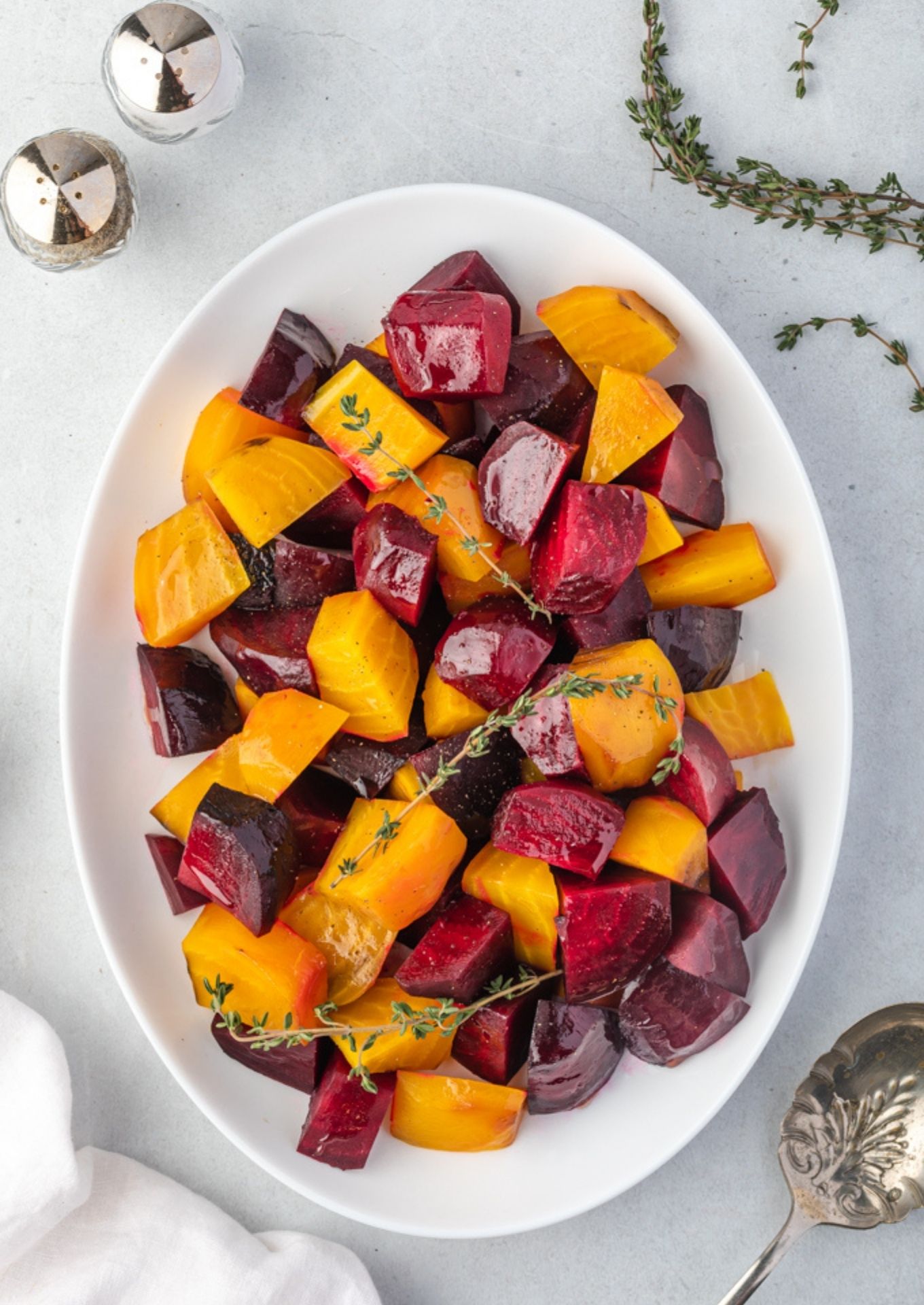
Oven Roasted Beets Recipe

Roasted Beet Salad with Goat Cheese

Butter Lettuce Salad with Avocado
Fresh herb recipes

Chimichurri Sauce Recipe

Greek Tzatziki Dip
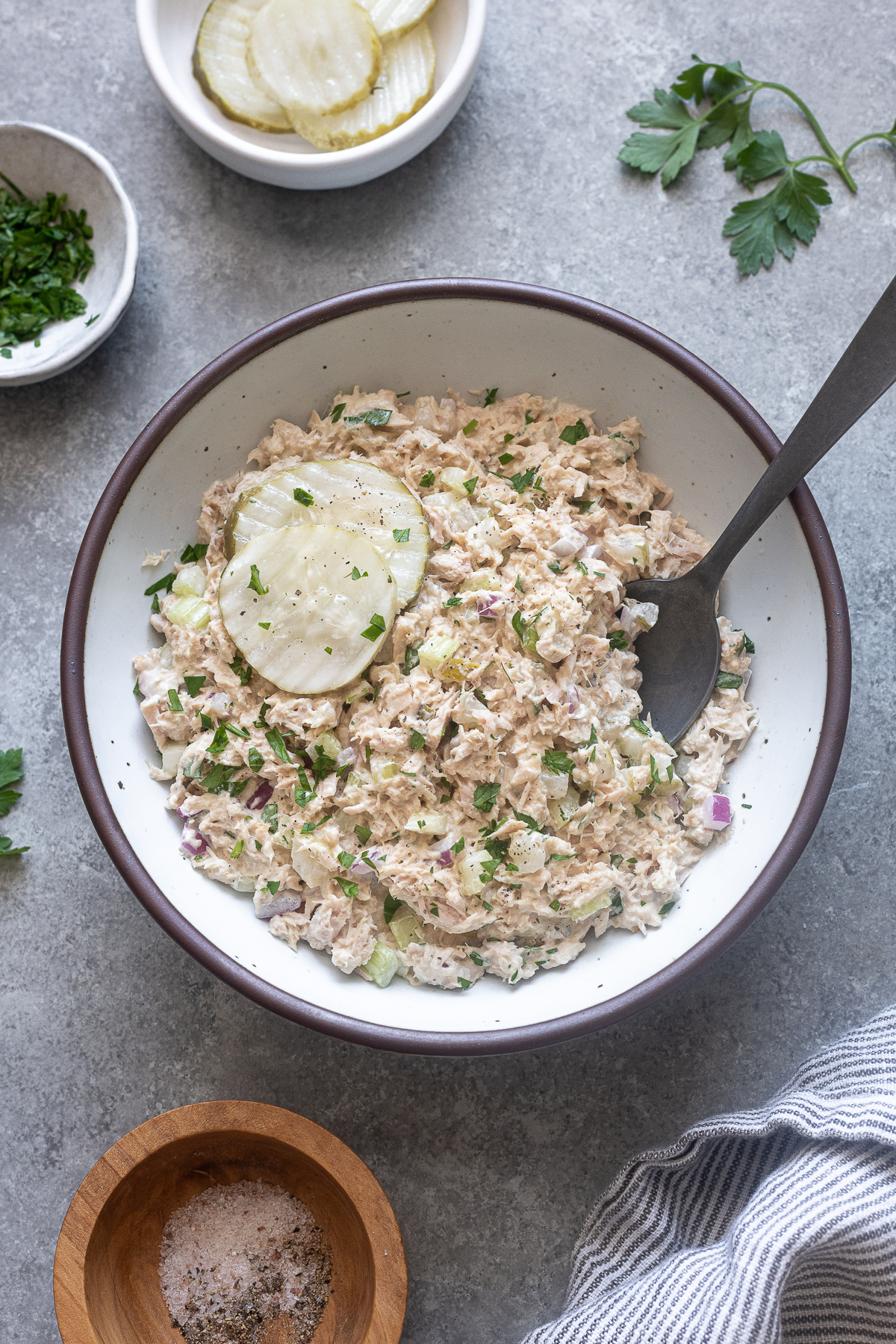
Dill Pickle Tuna Salad Recipe
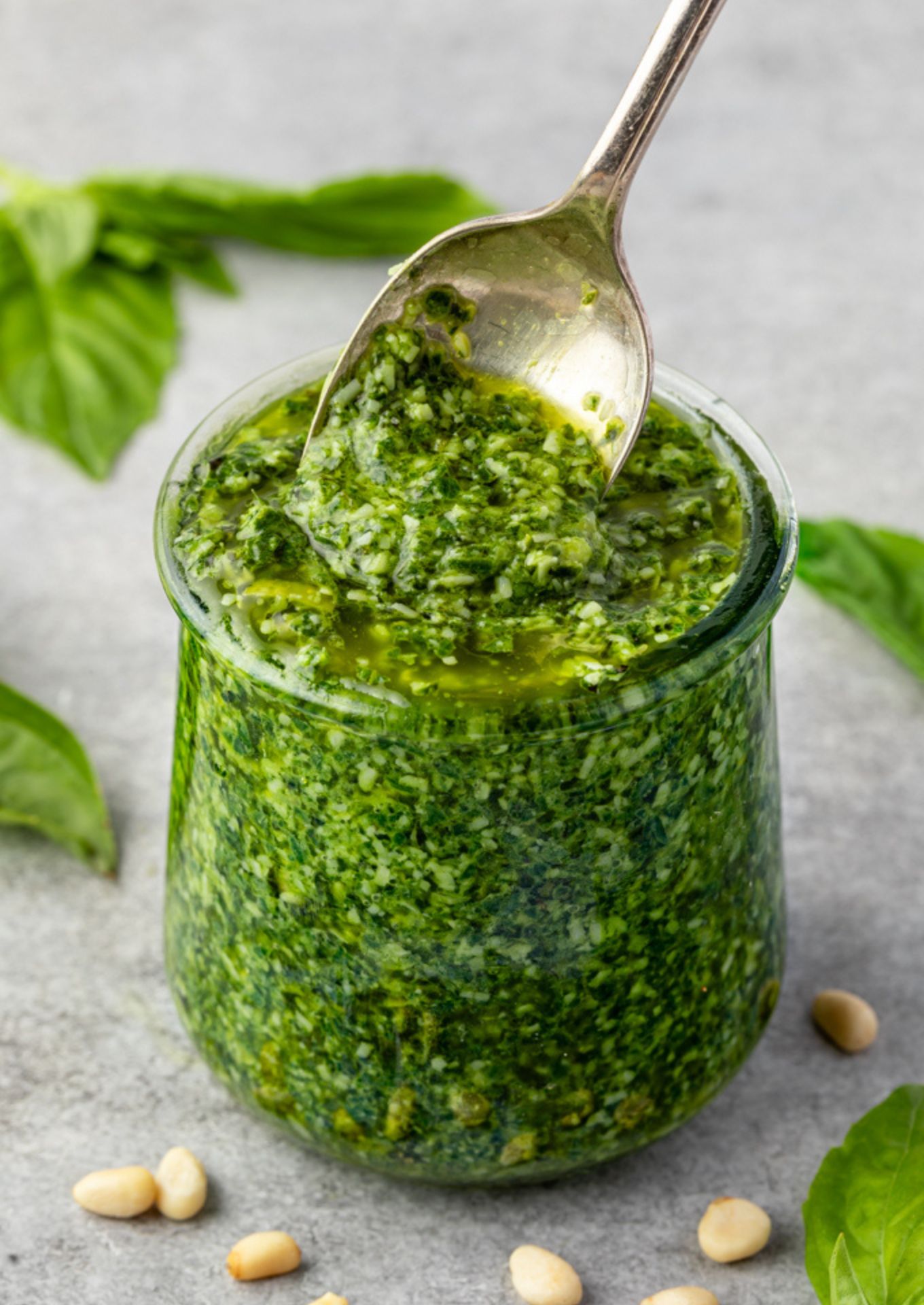
Basil Pesto Sauce

Green Goddess Dressing Recipe
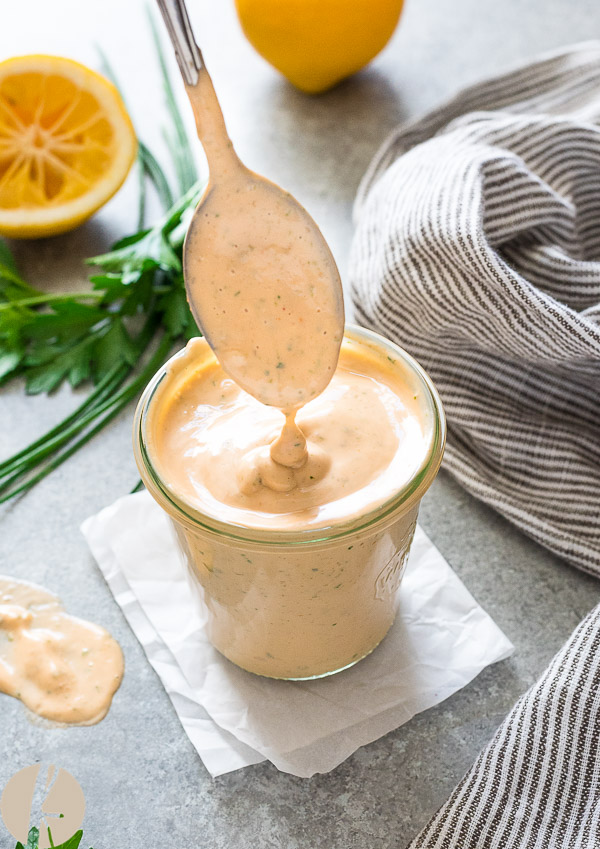
Homemade Louie Dressing
Greens and allium recipes
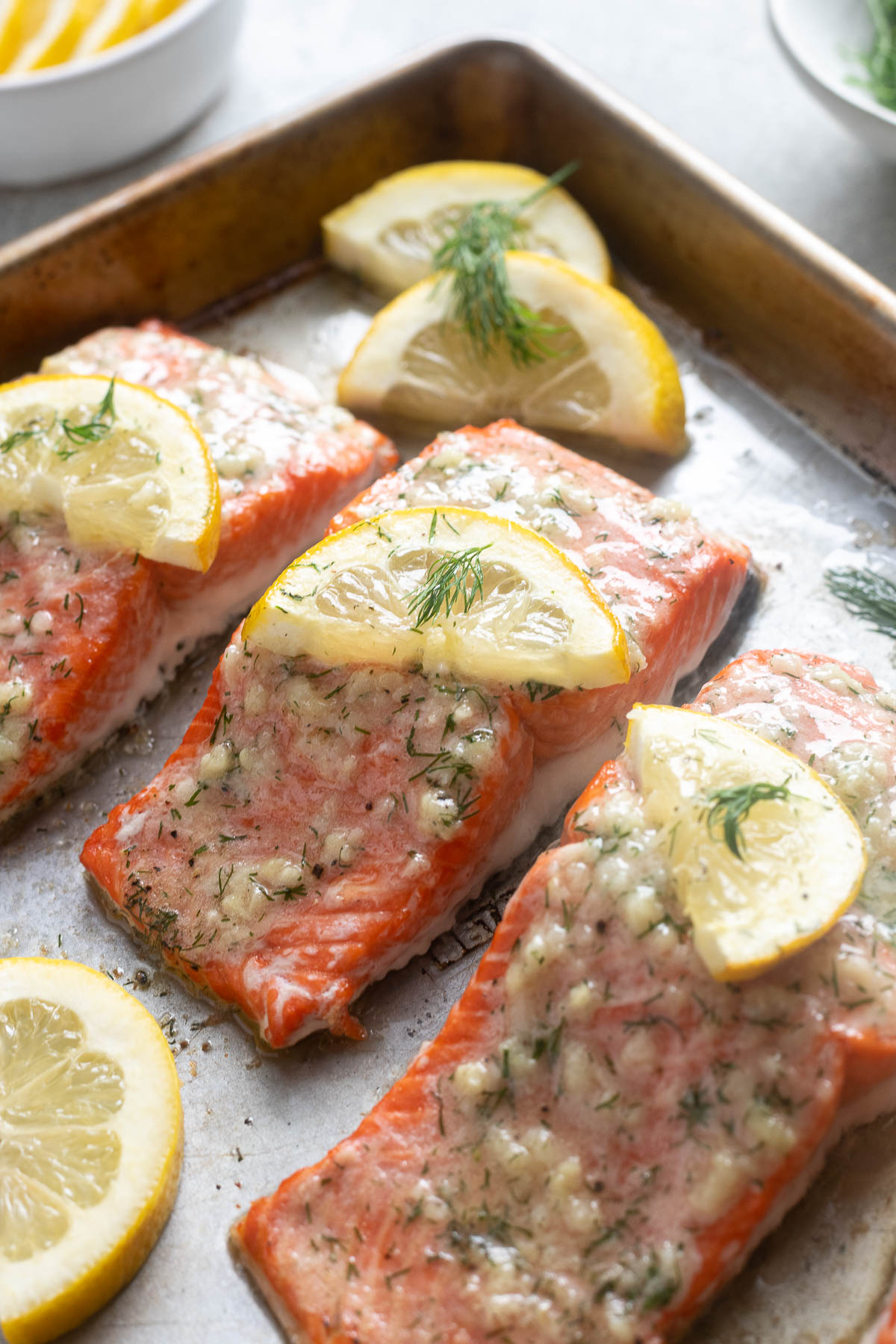
Garlic Butter Salmon Recipe
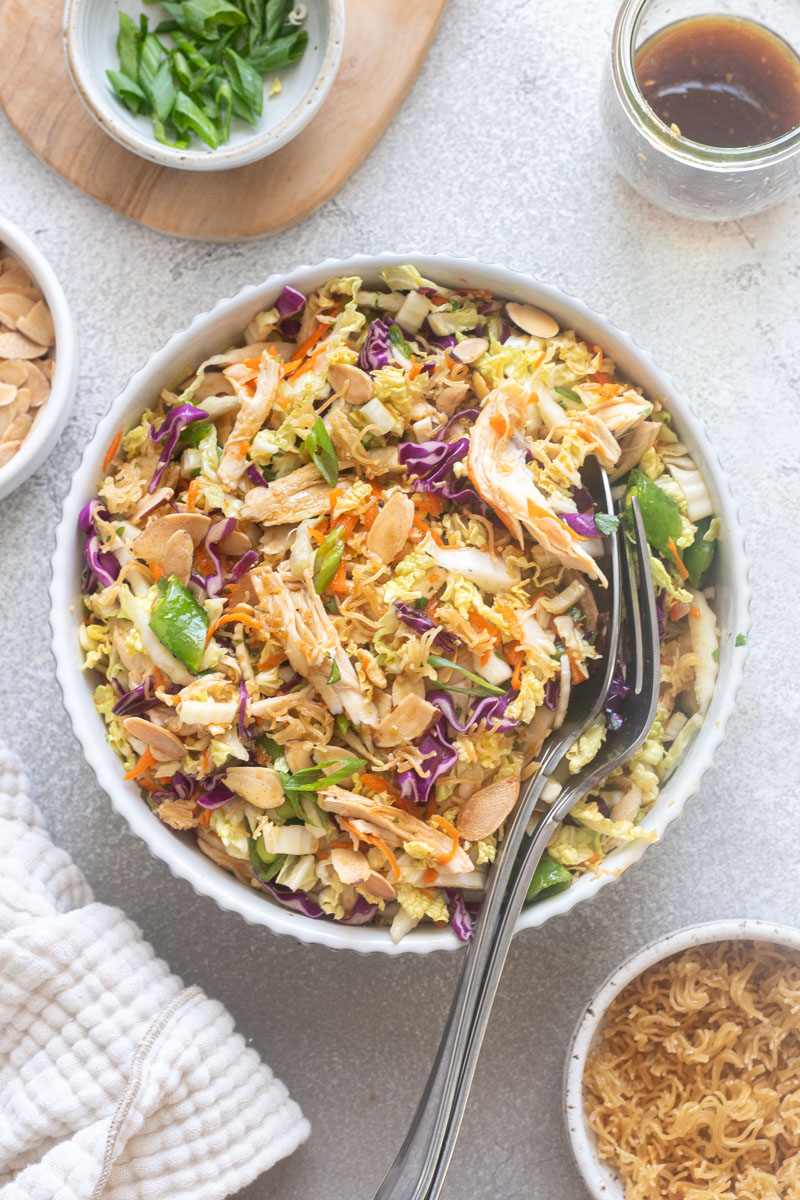
Chinese Chicken Salad
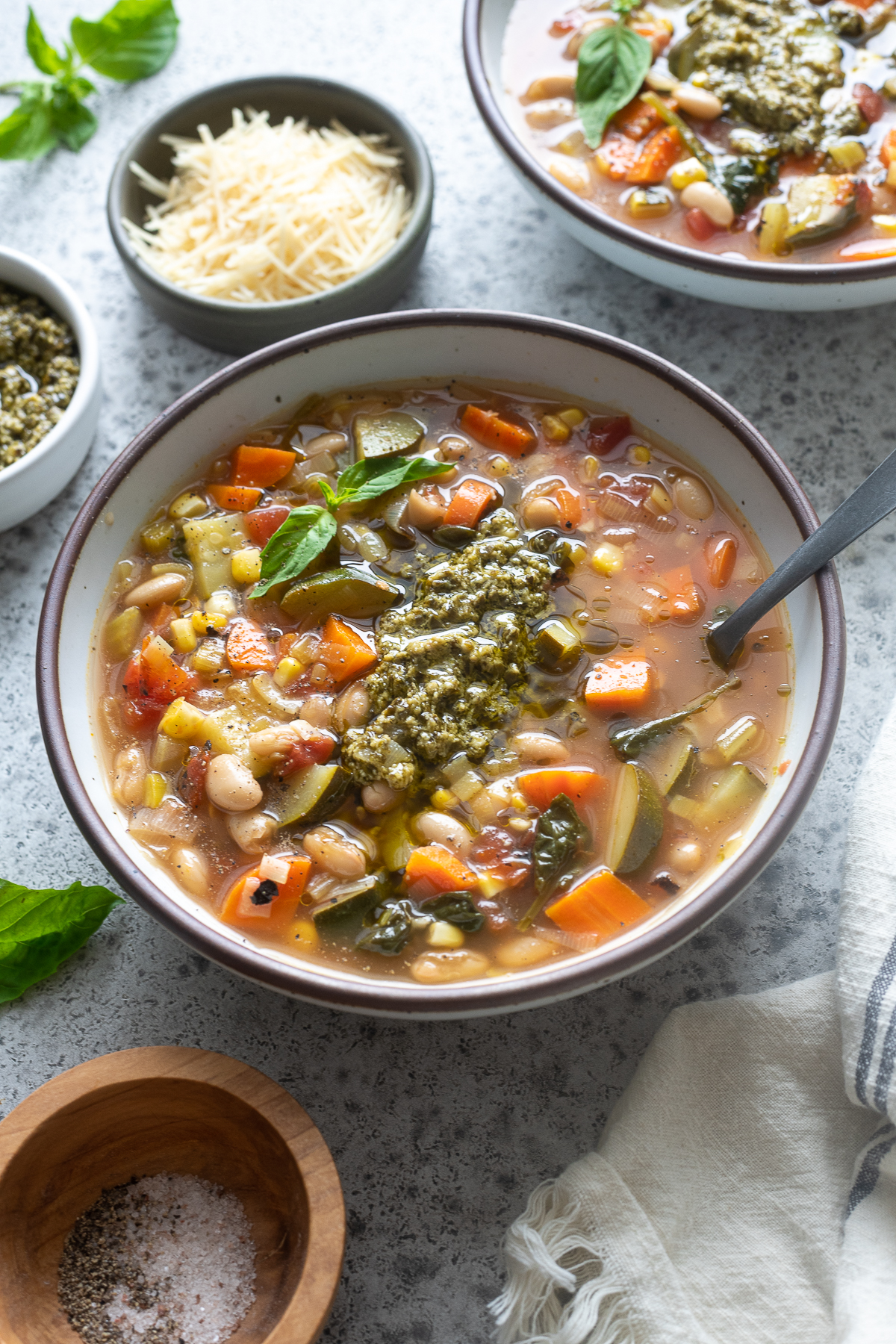
Summer Vegetable Soup with Pesto

Berry Arugula Salad with Goat Cheese

Spinach Pesto Recipe
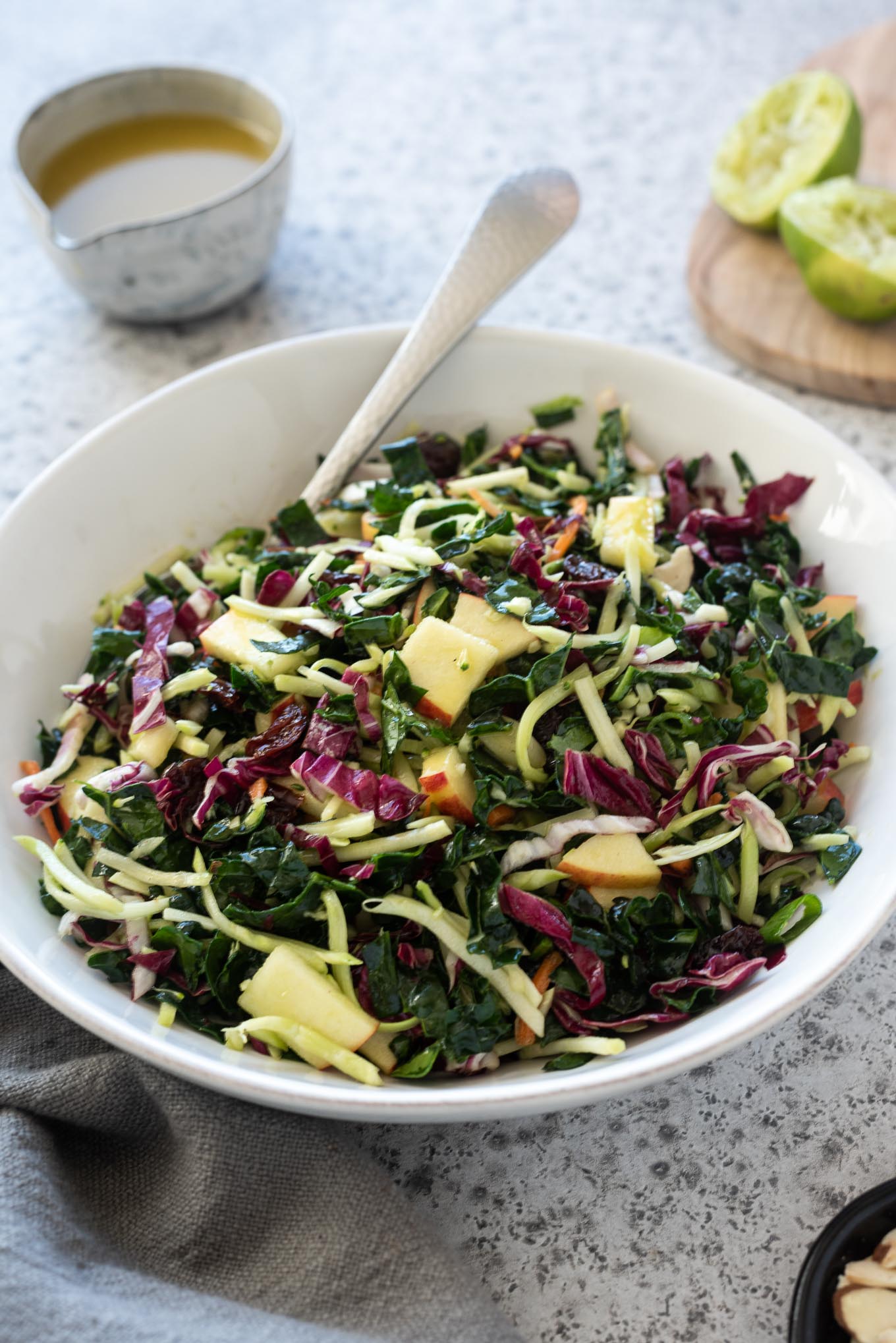
Kale Slaw with Honey Lime Dressing

Spinach Feta Baked Turkey Meatballs
Nightshade vegetable recipes

Roasted Red Peppers

Roasted Red Pepper Sauce

Italian Stuffed Peppers Recipe

Easy Ratatouille Recipe

Creamy Roasted Tomato Soup
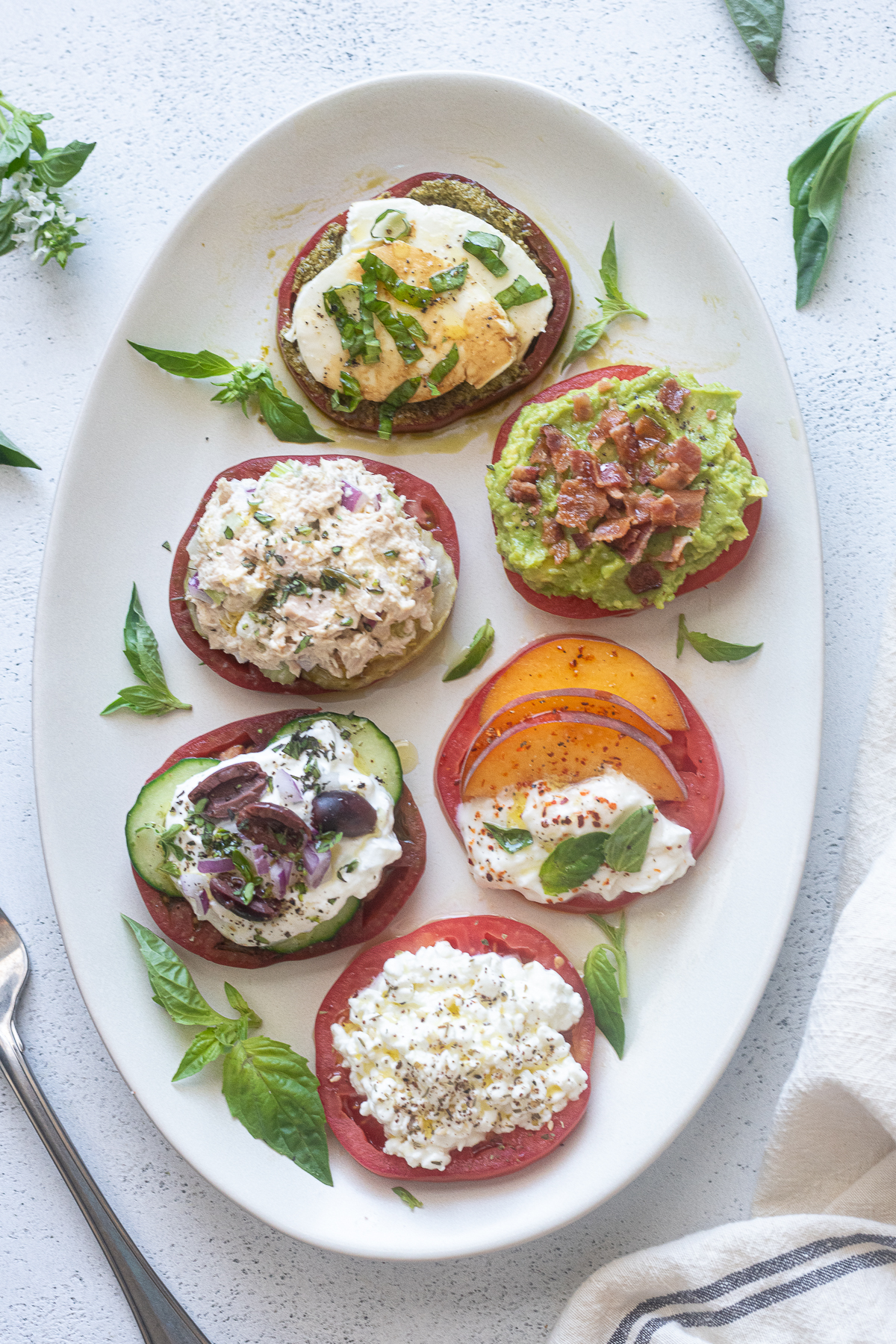
Heirloom Tomato Flight
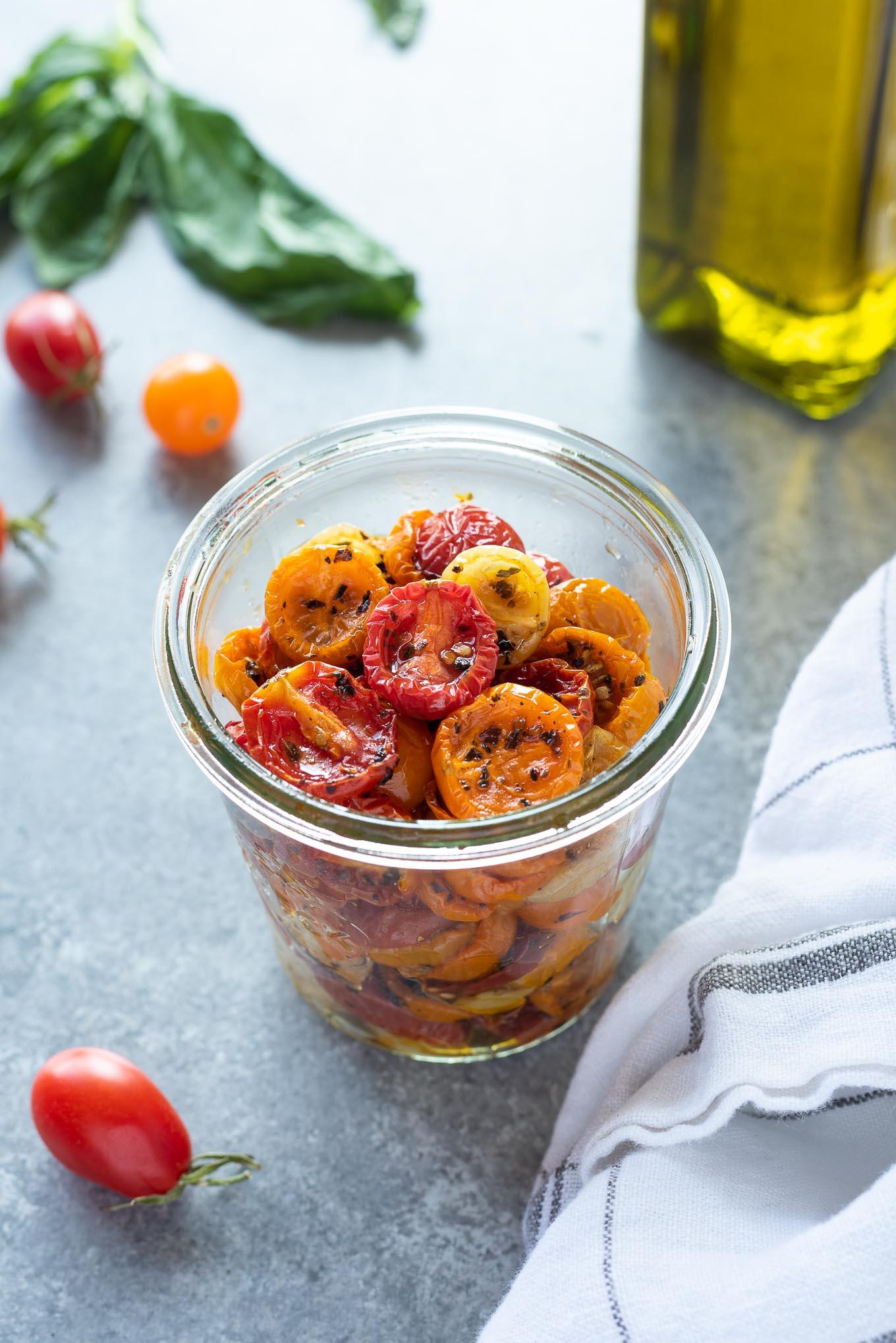
Oven Roasted Cherry Tomatoes
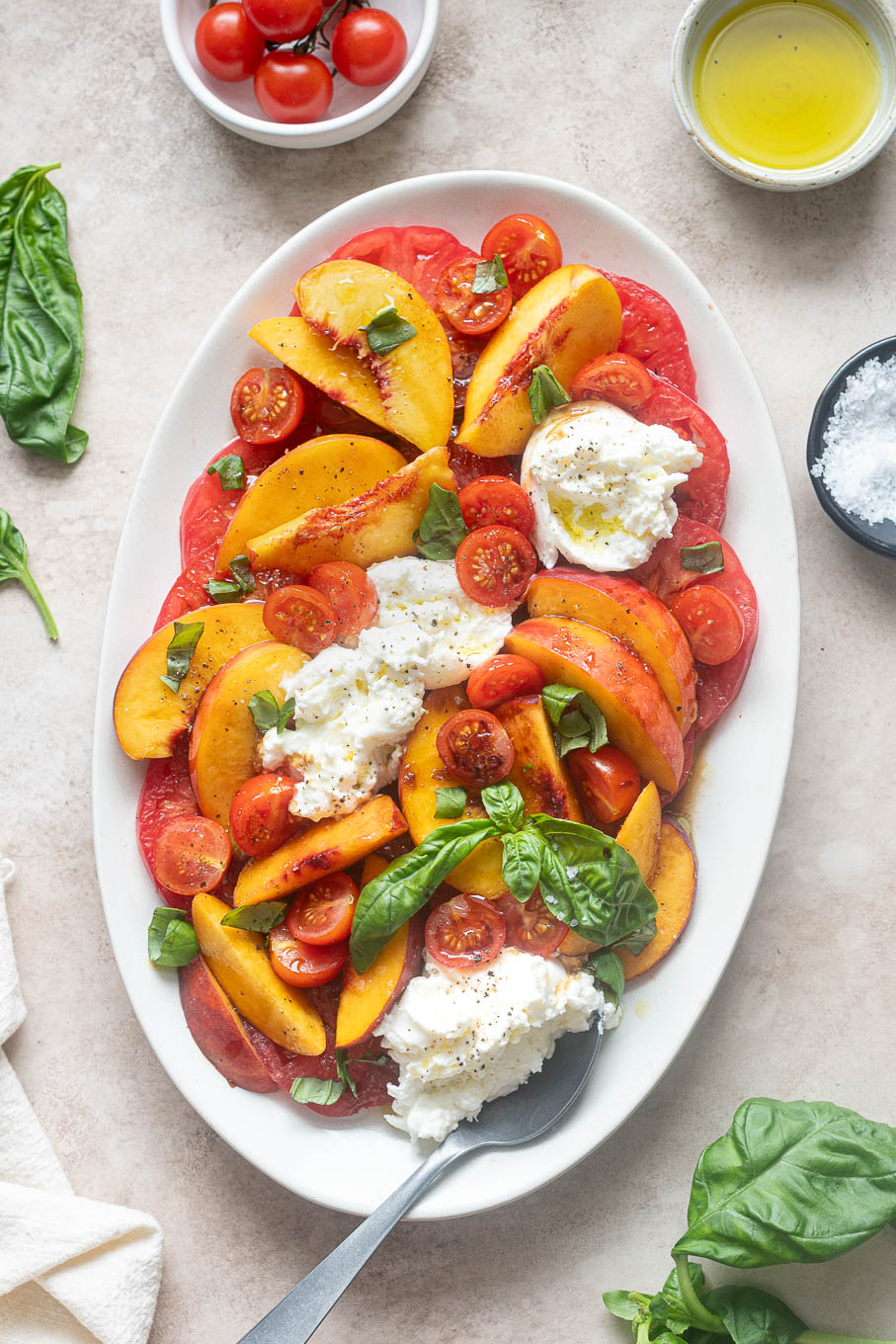
Tomato Peach Burrata Salad
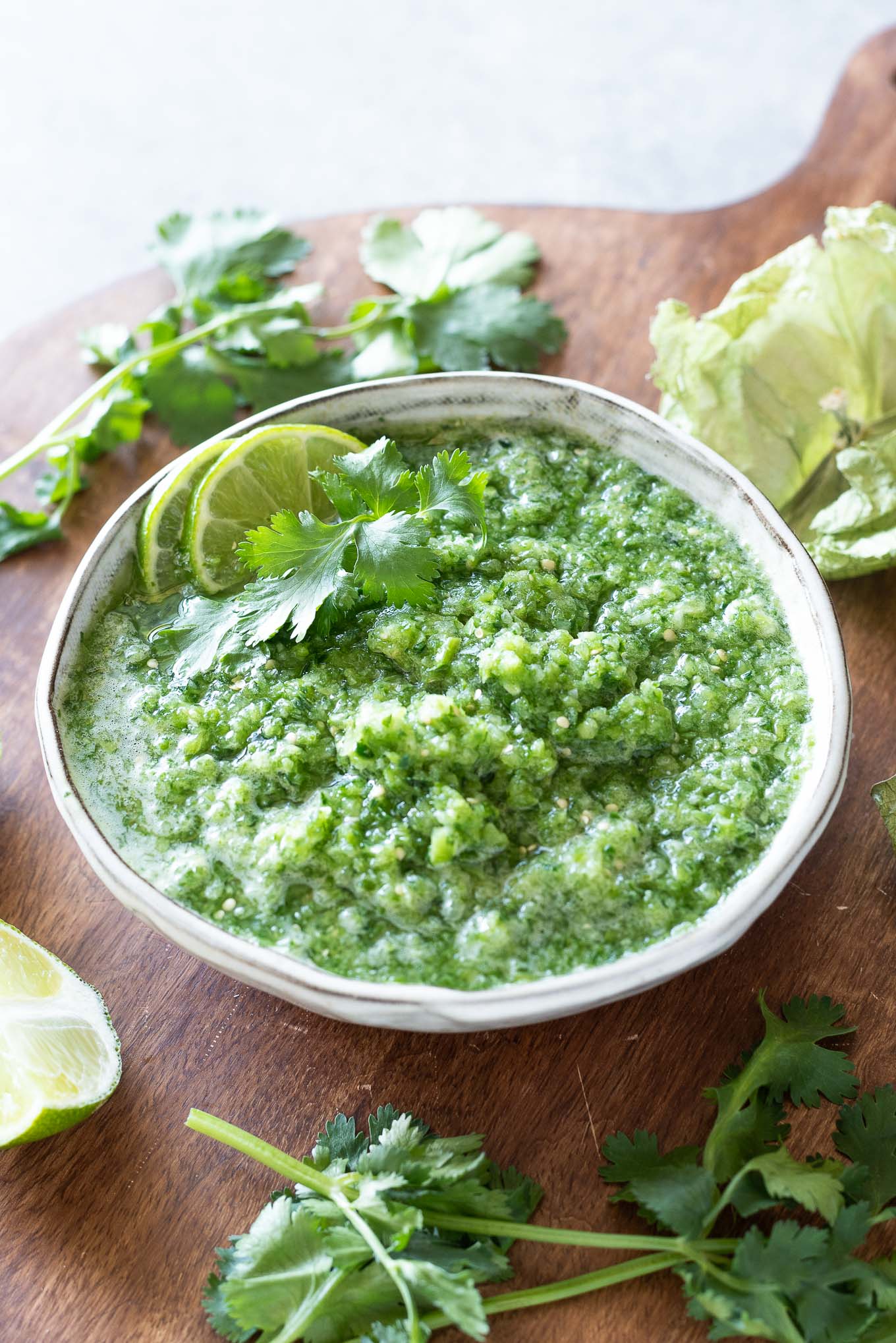
Tomatillo Salsa Recipe
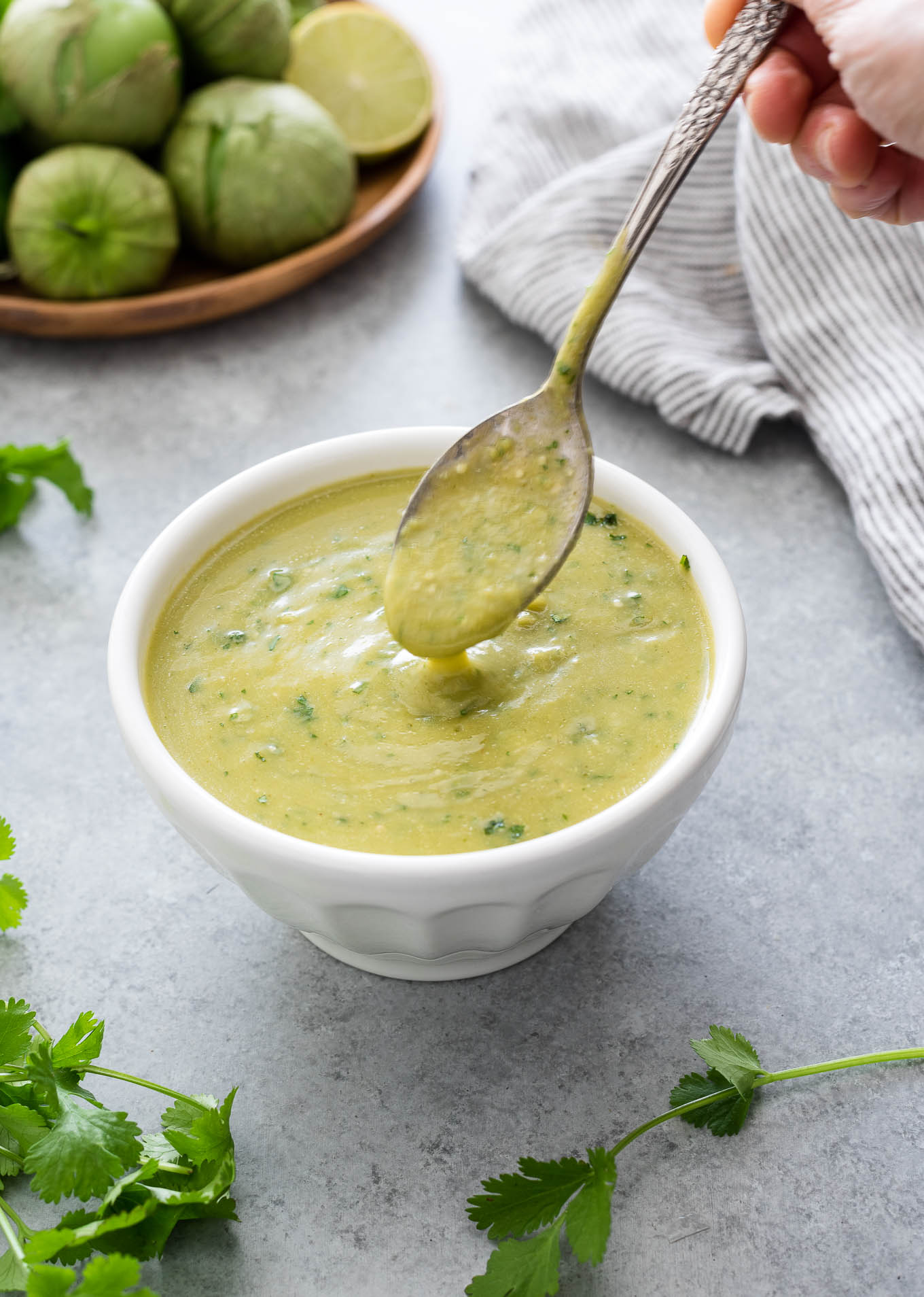
Homemade Green Enchilada Sauce
Summer vegetable recipes

Grilled Zucchini Corn Salad
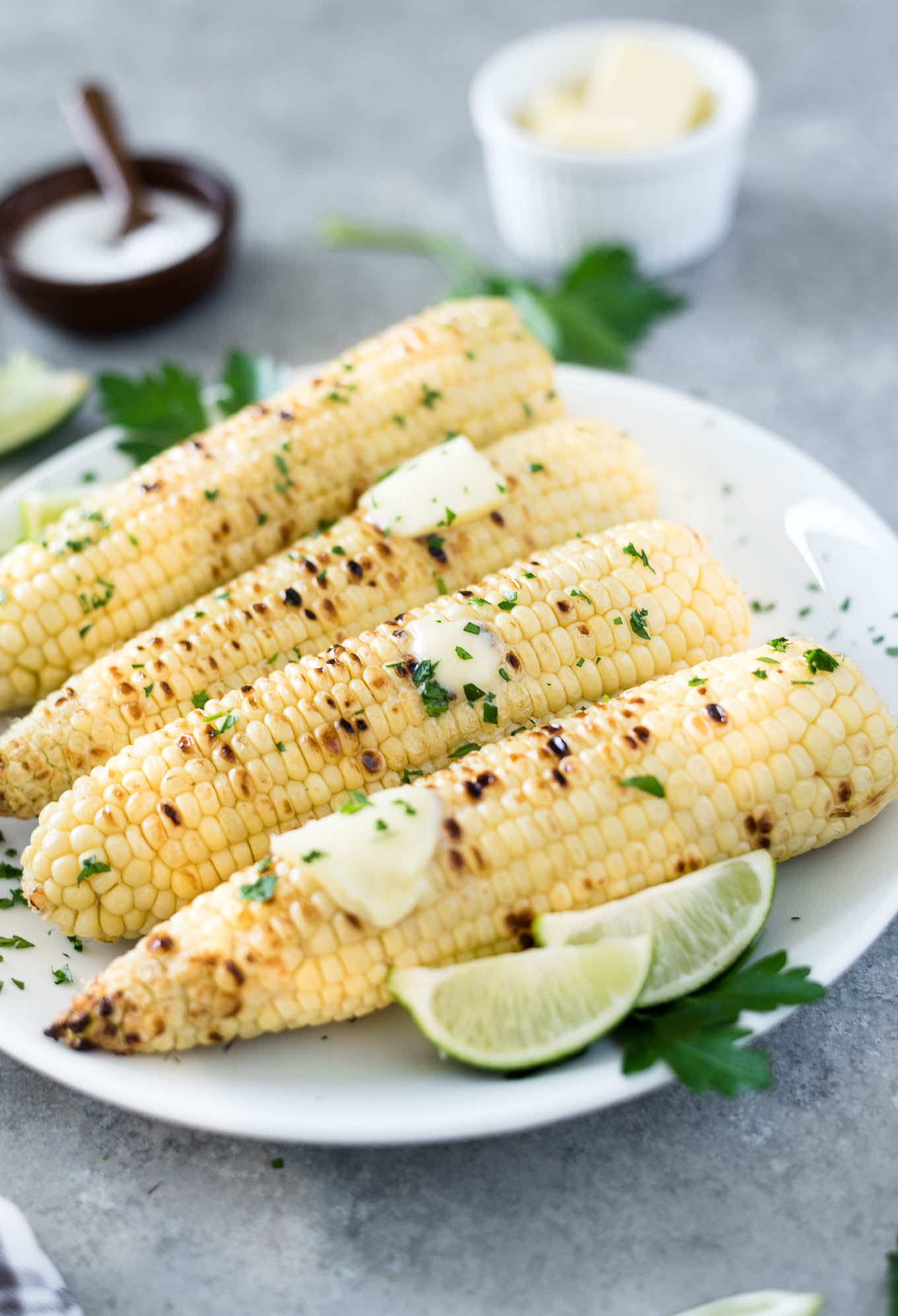
Easy Grilled Corn on the Cob
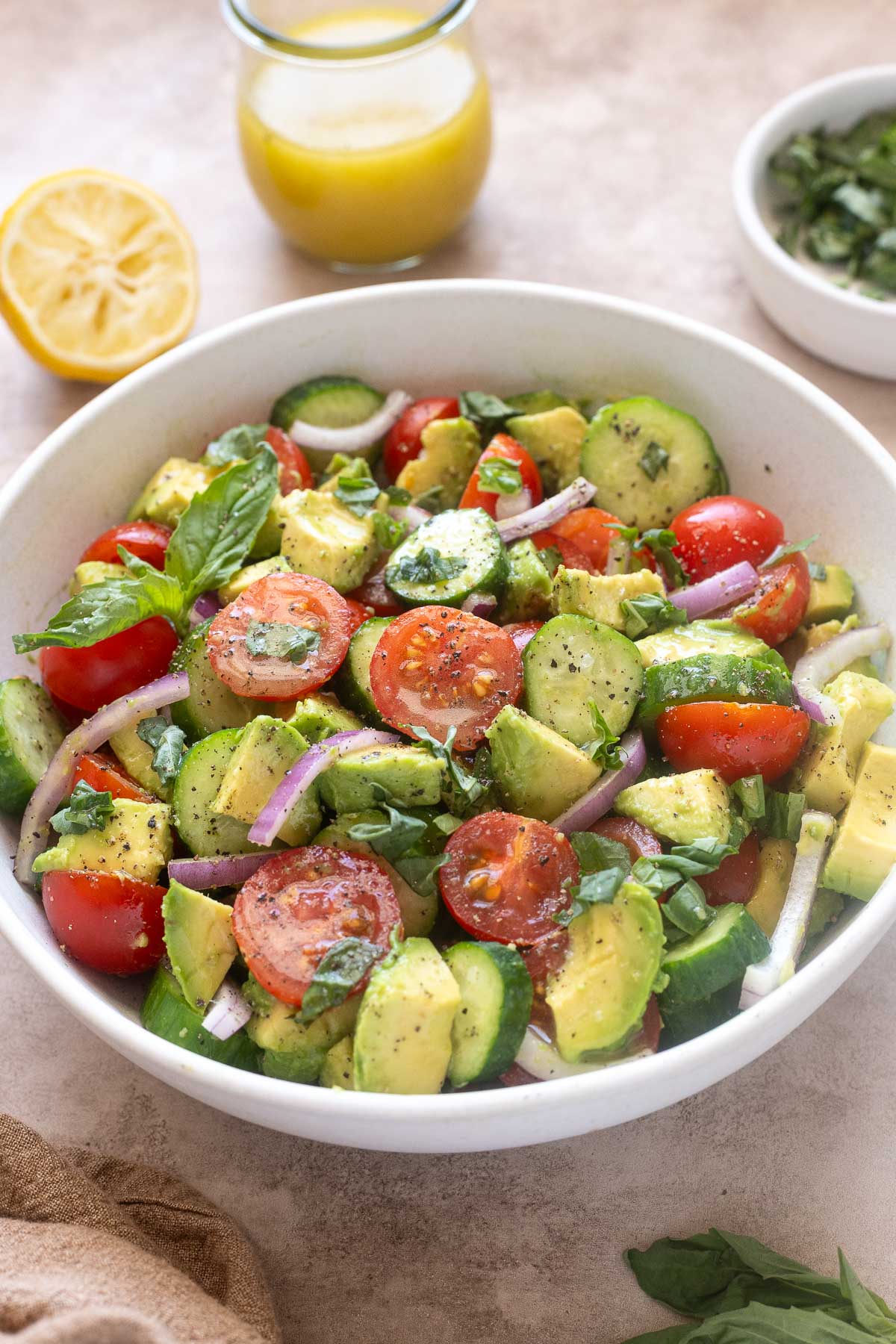
Cucumber Tomato Avocado Salad
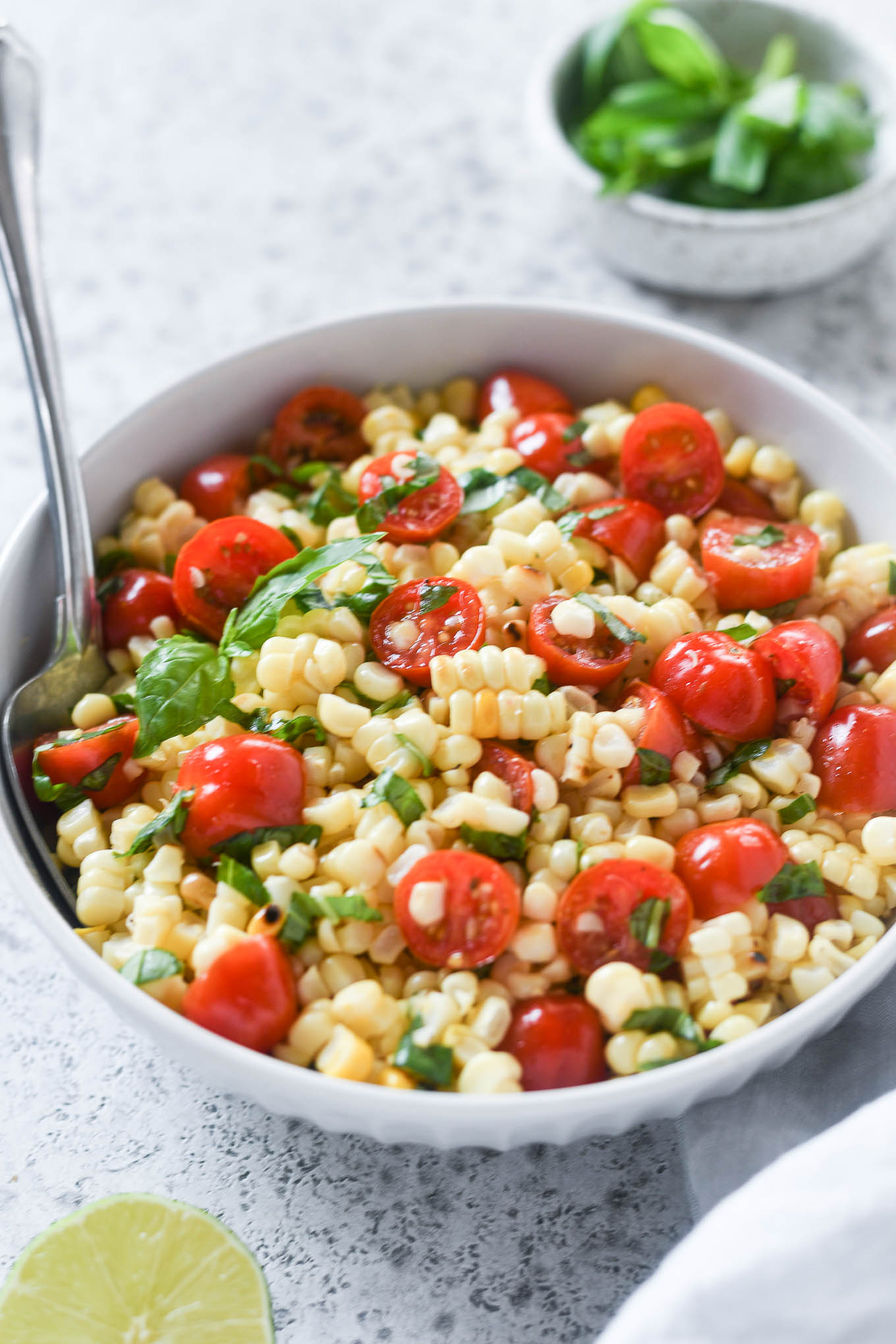
Fresh Corn and Tomato Salad

Air Fryer Zucchini Fries

Creamy Summer Squash Soup

Zucchini Fritters Recipe

Double Chocolate Zucchini Bread

Zucchini Lasagna Recipe
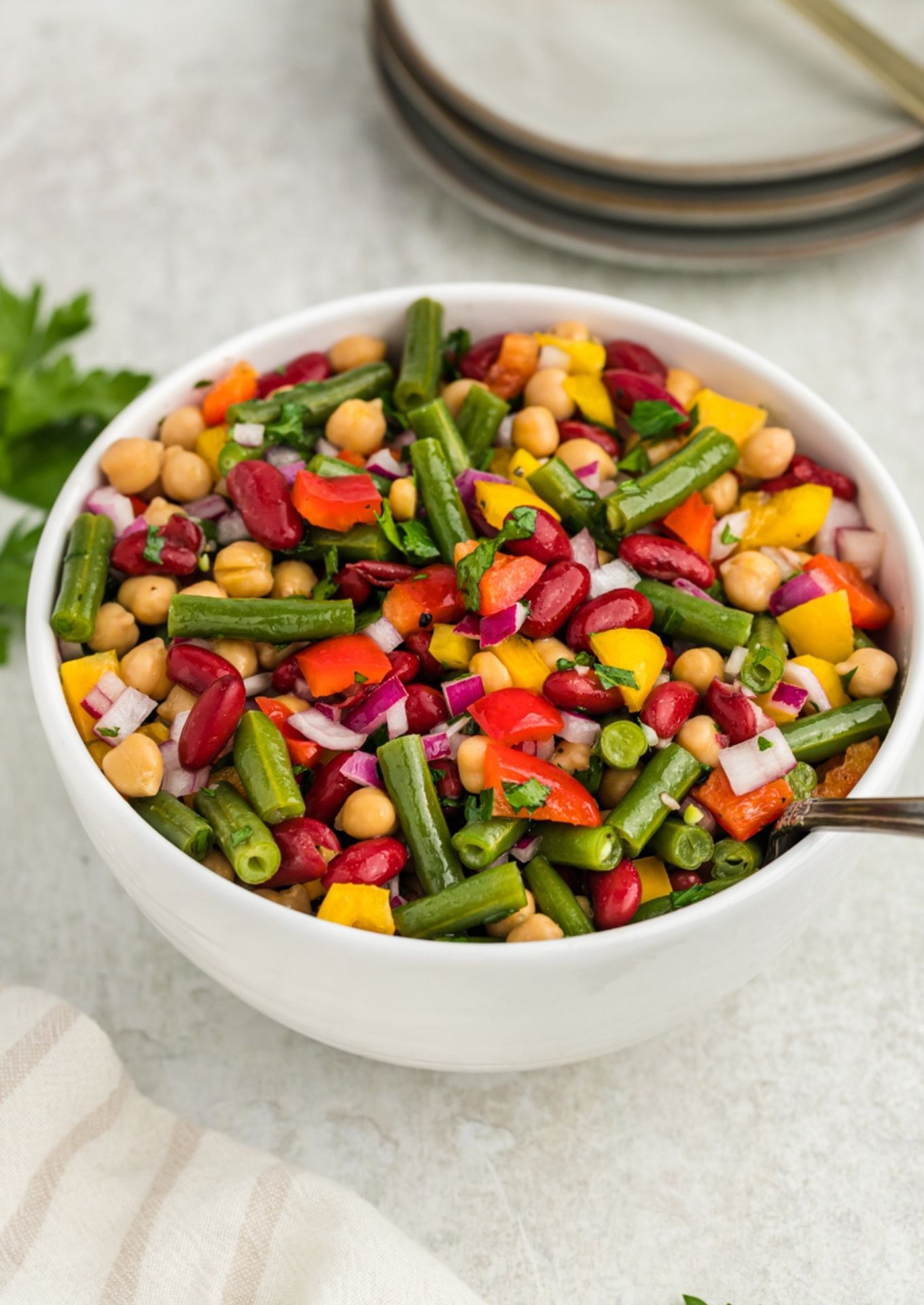
Easy Three Bean Salad

Rhubarb Cake

Small Batch Strawberry Rhubarb Jam
Fruit and citrus recipes

Strawberry Rhubarb Pie

Easy Chia Jam

Strawberry Lemon Drop Martini

Blueberry Greek Yogurt Pancakes
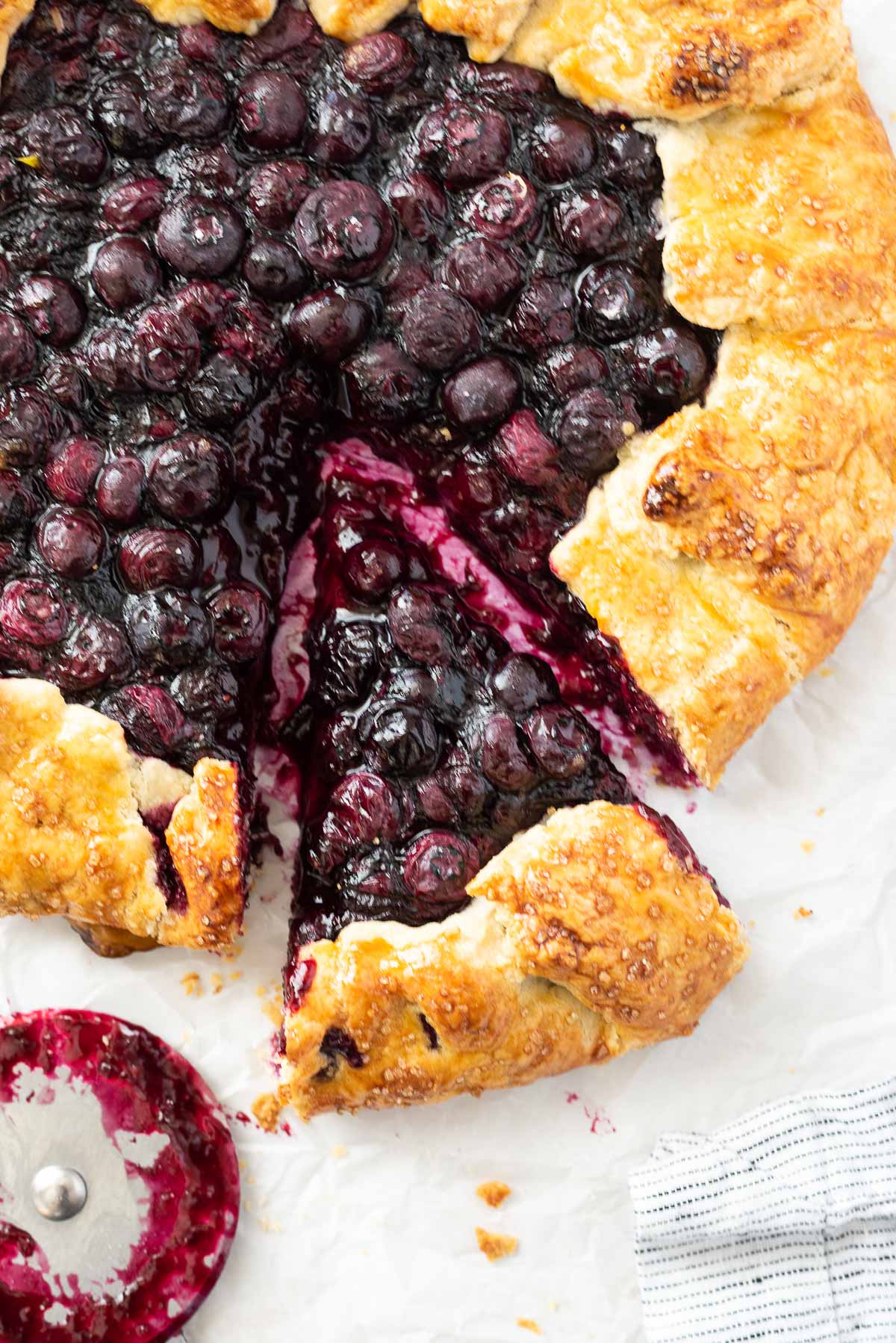
Blueberry Galette Recipe

Sonoma Chicken Salad

Peach Blackberry Cobbler

Peach Mango Smoothie
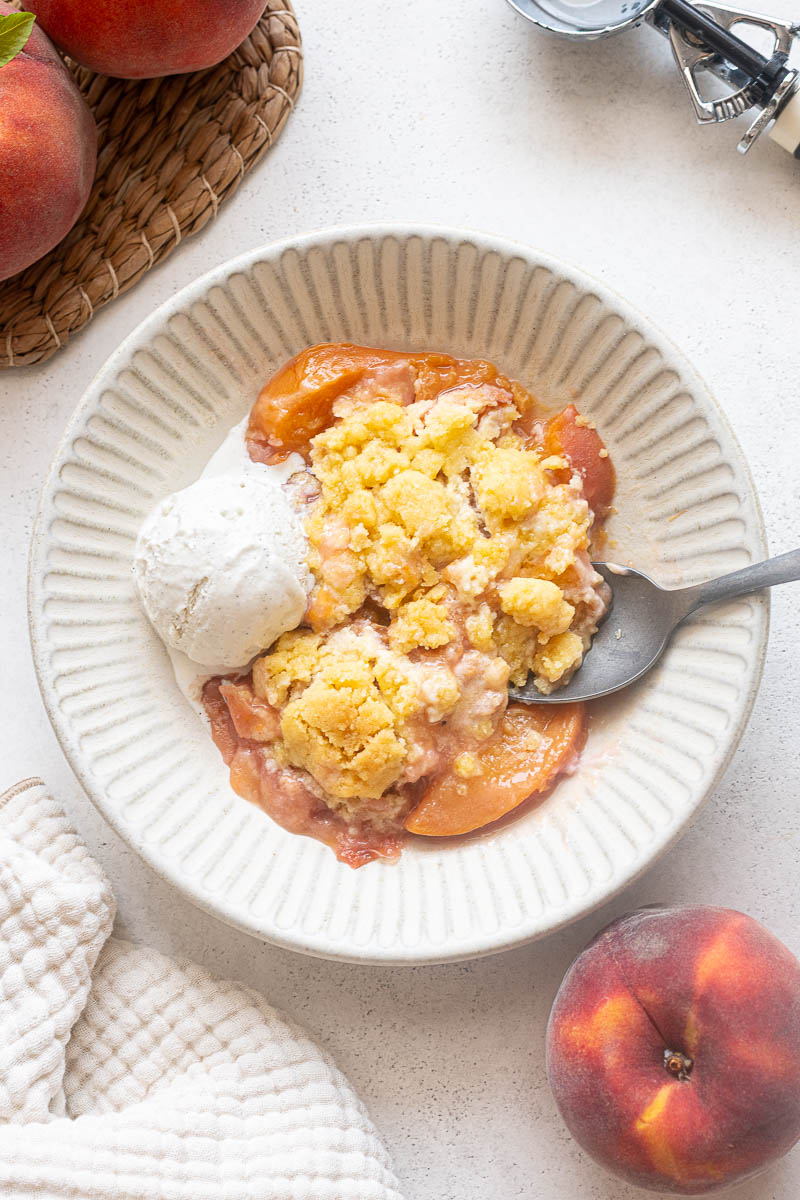
Fresh Peach Cobbler Recipe
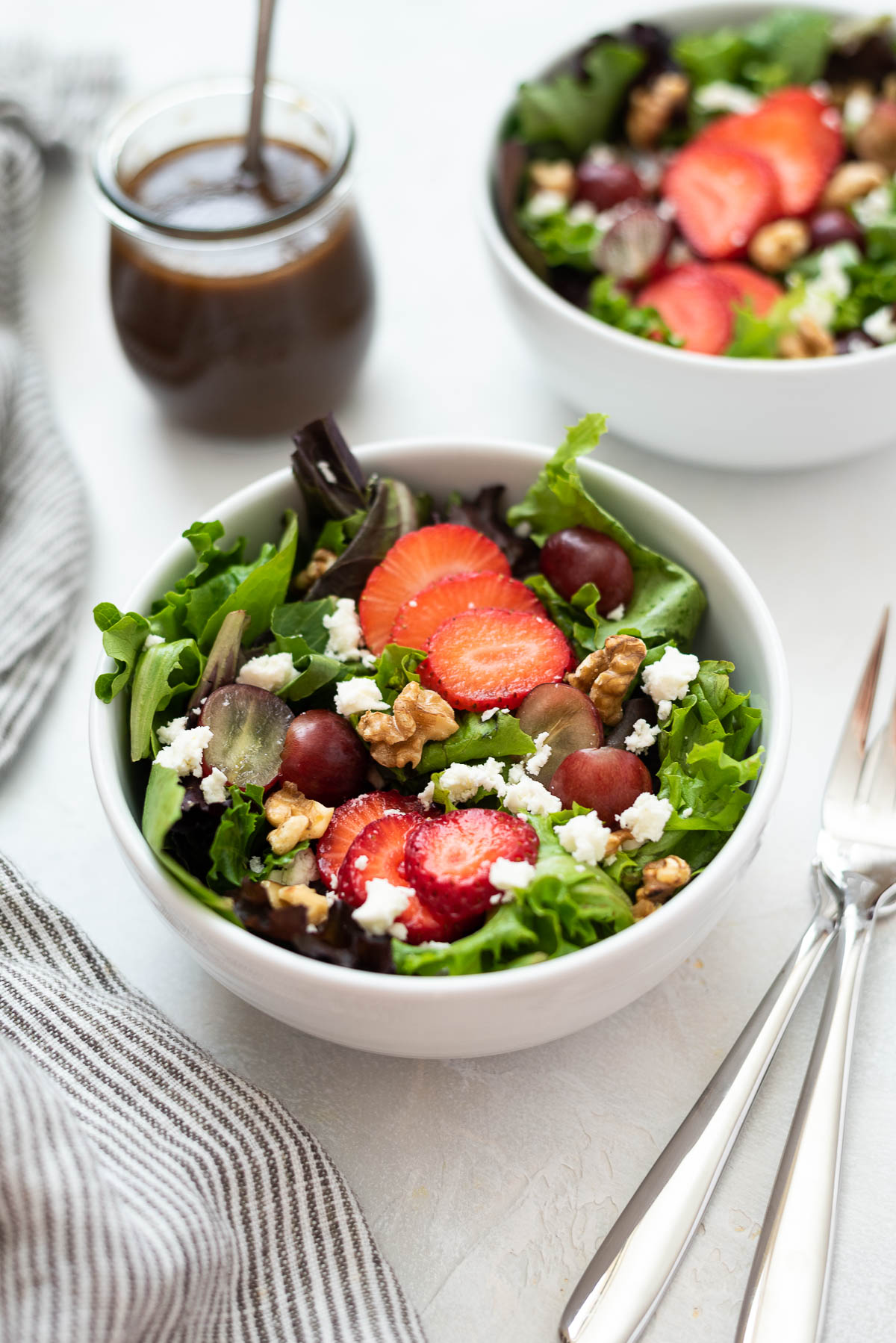
Strawberry Feta Salad
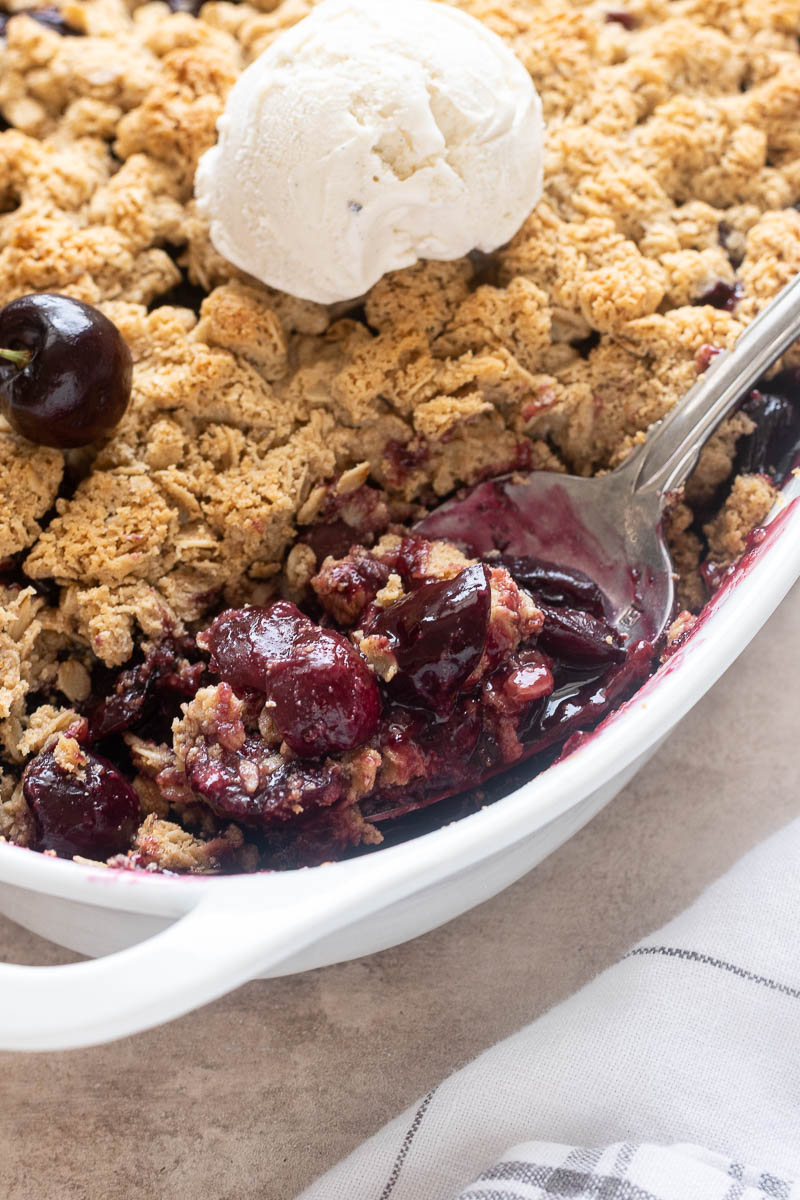
Fresh Cherry Crisp Recipe

Cherry Compote