

10 Common Spices To Keep In Your Kitchen
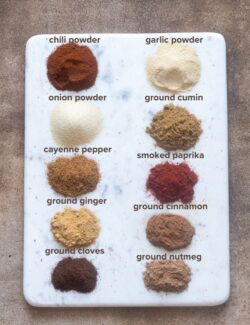

Make every meal taste amazing with the right spices! This spice guide shares 10 Common Spices to keep in your kitchen, plus tips on how to use them in some of my favorite recipes. This guide is perfect for beginners and seasoned cooks alike, and includes a bonus list of essential dried herbs and a few spices that I use occasionally too!
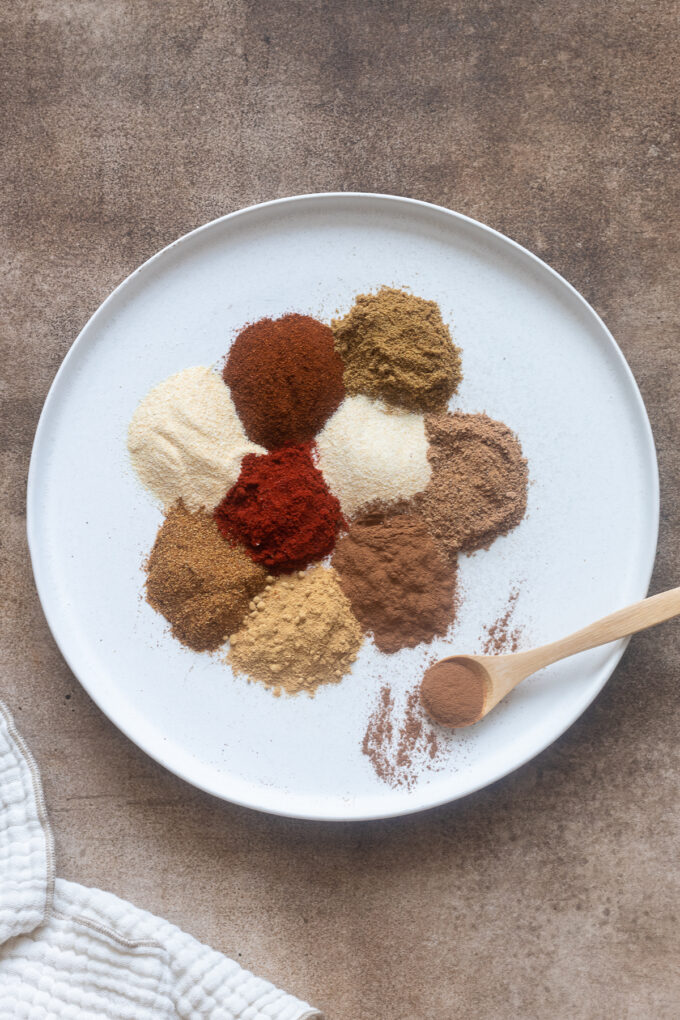
Spices are the foundation of flavor in every kitchen. Just a pinch can transform a simple dish into something extraordinary, which is why keeping a well-stocked spice cabinet is essential.
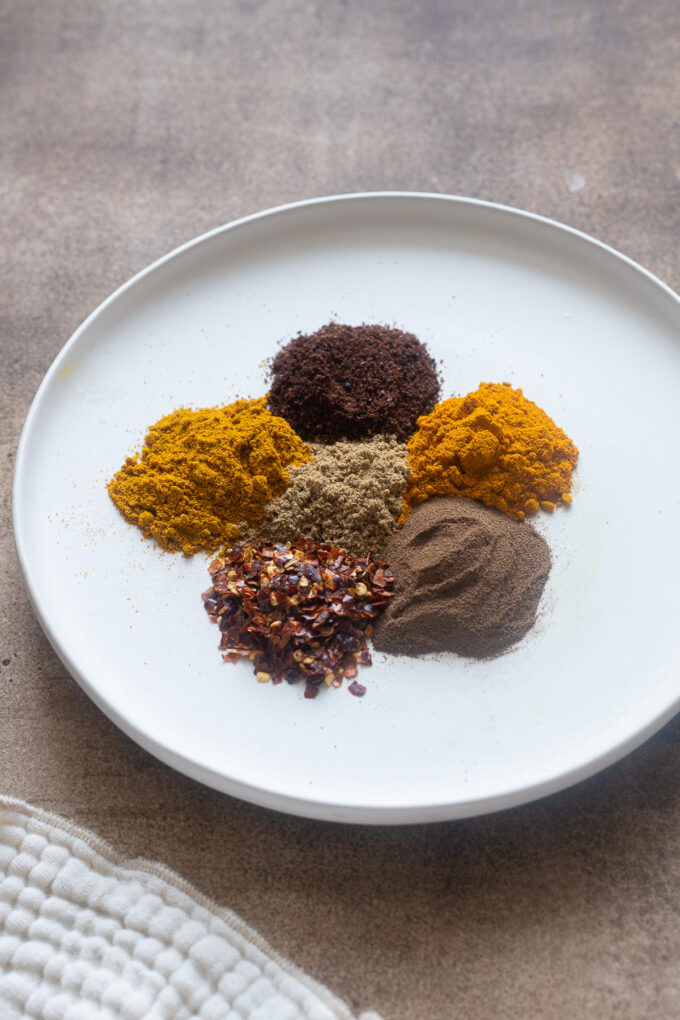
This spice guide covers 10 common spices to keep in your kitchen, along with pantry staples like salt and pepper. I’m also sharing a few extra spices that I use occasionally for a flavor boost, along with 8 dried herbs that are essential to have in the pantry as well.
Just in case you’re not familiar with these commonly used spices and dried herbs, you’ll find a brief description of their flavor profiles and some of my favorite recipes that include them.
This way, you can start cooking with these spices right away, and hopefully become comfortable using them in a multitude of ways in the future as well.
Love cooking with fresh herbs? Don’t miss my Fresh Herbs Produce Guide, which includes common fresh herbs to cook with and recipes to utilize them.
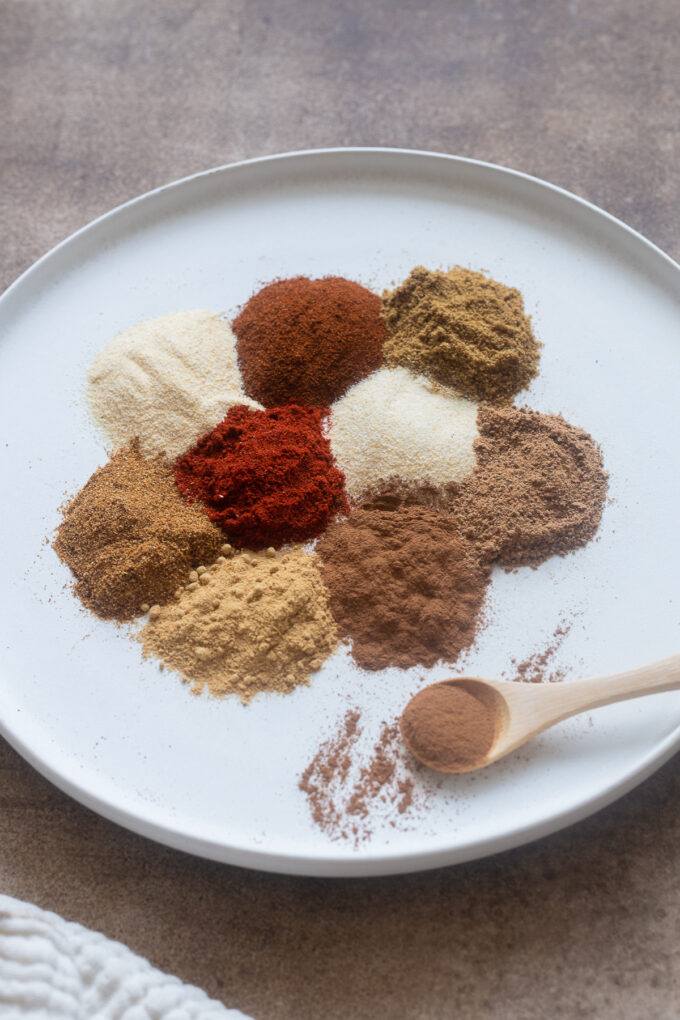
10 Essential Spices for Everyday Cooking
The common spices listed below are the ones that I find myself using day in and day out. They’re so versatile and are a must for every kitchen!
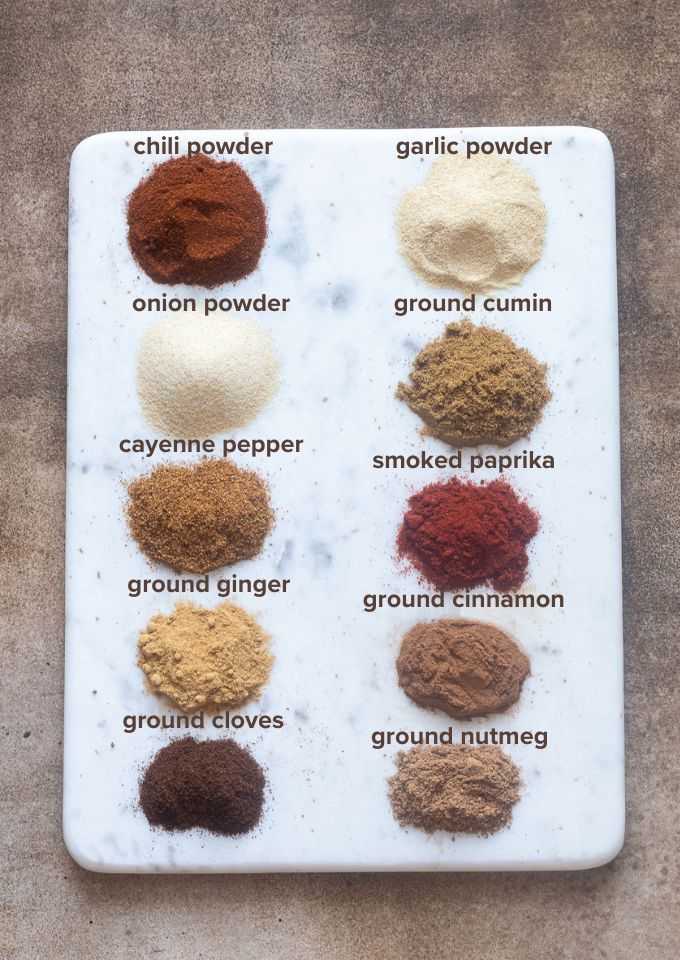
1. Smoked Paprika
- Flavor: Sweet, smoky, earthy.
- Best Uses: Roasted vegetables, rubs for meat, beans, soups, and stews.
- Try it in: Air fryer zucchini fries, grilled tri tip roast, and cabbage and ground beef casserole.
2. Chili Powder
- Flavor: Mild heat with smoky, earthy undertones.
- Best Uses: Chili, tacos, casseroles, Tex-Mex dishes.
- Try it in: Guinness chili, air fryer roasted sweet potatoes, and chili lime grilled shrimp skewers.
3. Cumin
- Flavor: Warm, earthy and nutty with citrusy notes.
- Best Uses: Mexican, Indian, and Middle Eastern dishes, beans, soups, spice rubs.
- Try it in: Crock pot green enchilada chicken soup, grilled pork tenderloin, and grilled Mexican corn salad.
4. Garlic Powder
- Flavor: Savory, pungent and slightly sweet.
- Best Uses: Quick seasoning for veggies, salad dressings, marinades, rubs.
- Try it in: Crispy smashed potatoes, sheet pan sausage, peppers and sweet potatoes, and air fryer broccoli.
5. Onion Powder
- Flavor: Sweet and savory with concentrated onion flavor.
- Best Uses: Spice blends, soups, marinades, dressings.
- Try it in: Air fryer chicken drumsticks, homemade bourbon bbq sauce, and slow cooker pulled pork.
6. Cayenne Pepper
- Flavor: Bold, spicy heat.
- Best Uses: Pasta sauces, stir-fries, pizza, casseroles, marinades.
- Try it in: Mini goat cheese balls, maple rosemary roasted nuts, and sautéed Swiss chard.
7. Cinnamon
- Flavor: Sweet and woody with warm flavor.
- Best Uses: Baking, oatmeal, smoothies, curries, savory stews.
- Try it in: Grilled lamb kofta kebabs, Moroccan chicken soup with chickpeas, and easy apple crisp recipe.
8. Nutmeg
- Flavor: Sweet, nutty and slightly peppery.
- Best Uses: Baking, creamy sauces, custards, holiday recipes.
- Try it in: Parsnip soup recipe and gluten-free carrot oat muffins.
9. Ground Ginger
- Flavor: Warm, peppery and slightly sweet.
- Best Uses: Baking, stir-fries, curries, marinades.
- Try it in: Gingerbread biscotti and gingerbread cookies.
10. Cloves
- Flavor: Strong, warm and sweet with a touch of bitterness.
- Best Uses: Baking, holiday spice mixes, stews, marinades.
- Try it in: Pumpkin pie from scratch and pumpkin cheesecake pie. It’s also perfect for mulled cider or homemade spice blends.
Pantry Staples: Salt & Pepper
While technically not spices, salt and pepper are the backbone of flavor and worth mentioning here. There are a few varieties of salt that are worth noting, and you can determine which one is right for you.
- Sea salt. Fine sea salt is my go-to for every day cooking. It has a clean, pure flavor and a coarser texture than table salt. It’s less processed, so it retains trace minerals that can add subtle flavor and color. I always have Redmond Real Salt on hand.
- Kosher salt: Clean taste and dissolves easily. The salt grains are larger, so you need twice as much as regular salt.
- Flaky sea salt: Also known as fleur de sel, or French finishing sea salt. My go-to brand is Maldon Salt. It adds crunch and flavor as a finishing touch. I love using it on my peppermint brownies and as a finishing touch for air fryer sweet potato fries.
- Whole peppercorns: Whole black peppercorns are a pantry essential and have a bold, sharp, slightly fruity flavor. When freshly ground, they’re far more vibrant than pre-ground pepper, adding depth and a little bite to savory dishes. I always keep a pepper mill filled with whole peppercorns on hand for the freshest flavor.
- Ground black pepper. Convenient and ready to use, with a milder flavor than freshly cracked peppercorns. While I prefer grinding my own, I still keep a small jar of ground black pepper in the pantry for quick seasoning when I’m in a hurry.
Beyond the Basics: Spices I Use Occasionally
Once you’ve stocked the 10 common spices, you can branch out with the flavorful spices listed below. These are my “honorable mentions” — sumac being the one that I use the most often.
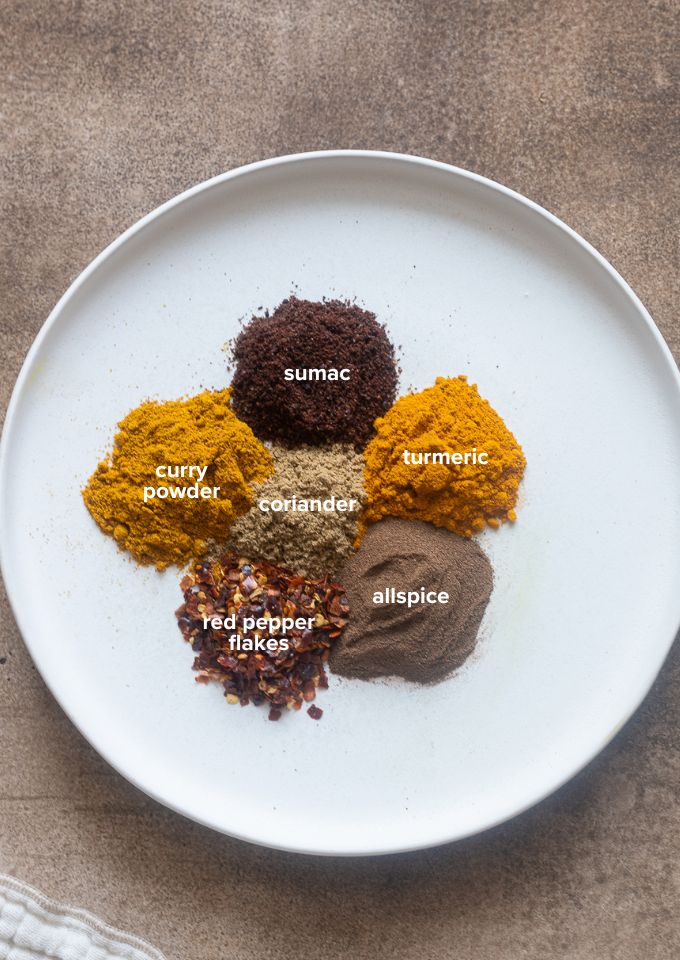
- Turmeric – earthy and golden, great in curries, soups, and wellness lattes. I love it in my Thai pumpkin curry with chicken and carrot ginger soup.
- Sumac – tart, lemony, a staple in Middle Eastern cooking. I love using this for roasted sweet potatoes and roasted root vegetables!
- Curry powder – Warm, aromatic blend of spices that often includes turmeric, cumin, coriander, ginger, and chili powder. It has a complex flavor that’s earthy, slightly sweet, and mildly spicy, depending on the mix. It adds instant depth and a beautiful golden color to curry chicken salad and creamy curry coleslaw.
- Coriander – citrusy and floral, often used in spice blends and pickling. It adds great flavor to sautéed cabbage and pork loin roast.
- Allspice – clove-like and sweet, used in baking, marinades, and fall recipes. It’s a must in pumpkin overnight oats and gluten-free pumpkin spice waffles.
- Red pepper flakes – made from dried, crushed red chili peppers and bring a sharp, lingering heat to dishes. They’re one of the easiest ways to add spice — I love sprinkling them over pizza or pasta, roasted vegetables when I want a little kick. They’re a must in my chimichurri sauce recipe and marry me chicken soup!
8 Essential Dried Herbs
Though not technically spices, dried herbs are pantry staples I use often. Dried herbs are reasonably priced and are a fabulous way to add herbaceous flavor.
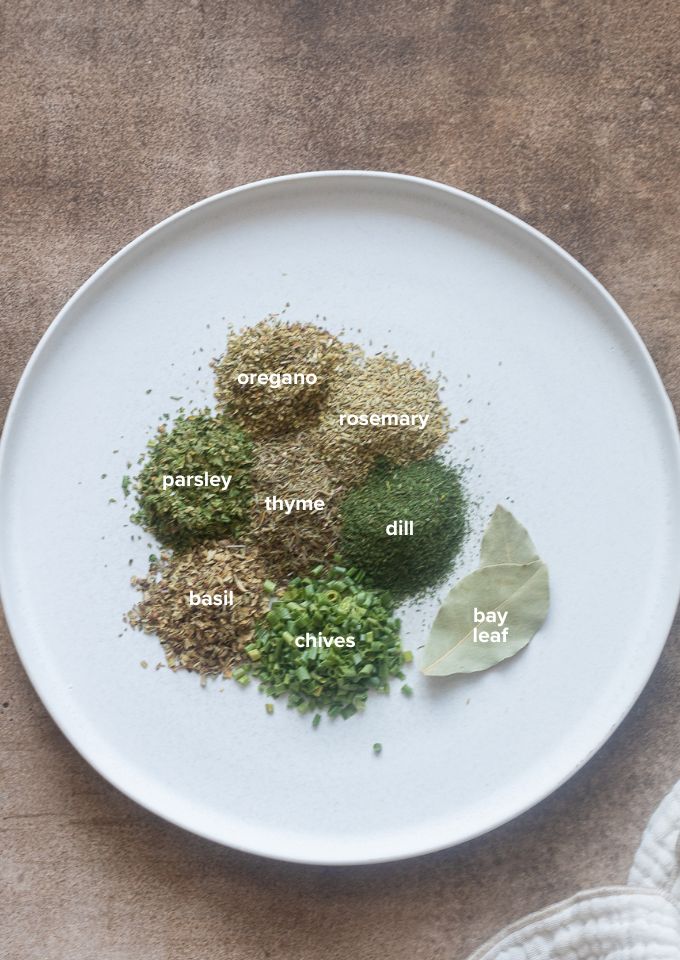
- Bay Leaf – adds depth to soups, stews and sauces. Try it in coq au vin, crock pot chicken and wild rice casserole, and homemade chicken stock.
- Oregano – earthy, bold, perfect for Mediterranean and Mexican recipes. Try it in Mediterranean baked cod, ground chicken chili and Greek chicken souvlaki.
- Thyme – subtle and versatile, used in soups, meats, and roasted veggies. Try it in Instant pot white bean stew, sheet pan chicken thighs with potatoes and green beans, and butternut squash mac and cheese.
- Rosemary – woody, pine-like, perfect with roasted meats and potatoes. Try it in crock pot mashed potatoes, pan seared steak and Instant pot short ribs.
- Parsley – mild, slightly grassy flavor. While it’s not as bright as fresh parsley, it’s useful for adding color and a gentle herbal note to soups, casseroles, and spice blends.
- Basil – dried basil is more concentrated and earthy than fresh, with less sweetness. It’s best in slow-cooked dishes like sauces, soups, and stews where it has time to release its flavor. Try it in my homemade marinara sauce.
- Dill – dried dill has a muted grassy flavor with anise notes. It’s handy for dips, salad dressings, and potato or seafood dishes when fresh dill isn’t on hand. It’s essential for my Greek yogurt ranch dressing and homemade ranch seasoning.
Spice Blends You Can Make at Home
Once you’ve stocked your pantry with these common spices and herbs, you’ll be ready to make your own spice blends and rubs at home. Not only are homemade blends fresher and more flavorful, but they’re also free of additives and preservatives.
These blends are made with the same pantry staples listed in this guide, so you’ll be able to whip them up anytime without buying a special mix.
Here are a few of my go-to recipes:
- Homemade blackened seasoning – bold, smoky, and perfect for blackened salmon, grilled fish tacos, air fryer chicken breast or grilled vegetables.
- BBQ chicken rub – a sweet and savory blend that’s great for grilled bbq chicken or air fryer bbq chicken.
- Homemade Jamaican jerk seasoning – spicy, complex, and perfect for jerk pineapple shrimp skewers, air fryer chicken thighs or oven baked pork chops.
- Za’atar spice recipe – earthy and tangy, delicious on grilled chicken thighs, air fryer roasted vegetables or flatbread. You will need sesame seeds for this recipe, which technically is not a spice.
- Homemade chai spice mix – warm and cozy, great in lattes, chai overnight oats and spiced chai pumpkin pie.
- Homemade pumpkin pie spice – an autumn favorite, perfect for pumpkin pie bars, mini pumpkin cheesecakes and whole wheat pumpkin pancakes.
- Homemade taco seasoning recipe – a versatile blend for ground beef tacos, air fryer chicken fajitas, or slow cooker chicken tortilla soup.
How to Store Spices
- Store in airtight containers, away from light and heat.
- Ground spices: 6–12 months for best flavor.
- Whole spices: up to 2 years.
- Tip: Buy whole (like nutmeg or cumin seeds) and grind as needed for maximum flavor.
Spice Guide FAQs
The essential spices that I find myself using day in and day out are smoked paprika, chili powder, cumin, garlic powder, onion powder, cayenne pepper, cinnamon, nutmeg, ground ginger, and cloves.
They’re great for spice blends, chili, soups, stews, rubs for meat and baking.
While not technically spices, salt and pepper are the foundation of flavor and should always be on hand.
Whether it’s sea salt, kosher salt or finishing salt, salt enhances the flavor of the ingredients in your dishes.
Pepper on the other hand comes in whole peppercorns and ground black pepper, and enhances flavor while adding a little “bite” to your dishes.
Bay leaf, oregano, thyme, rosemary, parsley, basil, dill and chives are versatile and pantry-friendly — they keep for up to 1 year.
Dried herbs add herbaceous flavor to soups, stews, dressings, marinara sauce and so much more.
Keep them airtight, away from light and heat. Whole spices last longer than ground.
Conclusion
Building a spice collection doesn’t have to be overwhelming. Start with the essentials, add salt and pepper, then branch out with occasional-use spices and dried herbs as your cooking evolves. With just a handful of jars, you’ll have everything you need to make flavorful meals any night of the week.
For even more inspiration, check out my Fresh Herbs Produce Guide — together, these guides are the perfect starting point for bringing vibrant flavor to your cooking.
